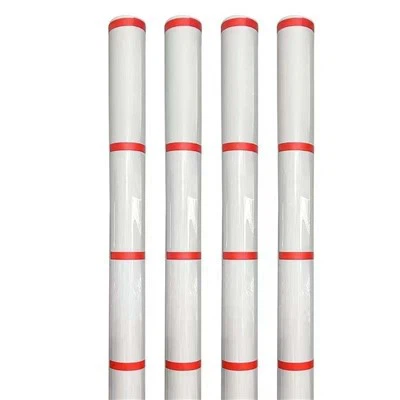
PPF is a transparent protective film applied to the surface of a car's paint. Its main function is to resist physical damage and chemical corrosion from daily use, while enhancing the paint's gloss. Its core principle is to absorb impact through a high-toughness material layer, combined with an anti-fouling coating to isolate external pollutants, forming an invisible protective barrier. This type of product is especially suitable for new cars or high-end models, extending the shelf life of the original paint.
Technical Composition and Core Functions: Mainstream PPF uses TPU (thermoplastic polyurethane elastomer) as the base material. This material combines flexibility and tear resistance, buffering impacts from stones, branches, and other external forces. The surface coating is a key protective layer; for example, a high-precision water-resistant anti-fouling nano-coating repels water, oil, and dust through its molecular structure, reducing stain adhesion. Some products also add self-healing components, allowing minor scratches to automatically recover after exposure to sunlight or heat. The adhesive layer uses high-performance pressure-sensitive adhesive from the USA, ensuring a strong bond and leaving no residue upon removal.
Use Cases and Customized Solutions: Paint protection film can cover the entire vehicle or specific areas (such as rearview mirrors, door edges, etc.), suitable for various scenarios including urban commuting, long-distance driving, and off-road driving. In urban environments, the film can resist chemical corrosion such as acid rain and bird droppings; in outdoor scenarios, its protection against stone impacts and scratches is more prominent. The product offers multiple roll sizes, supporting cutting according to vehicle model data or on-site application. Colors and thicknesses can be customized to meet individual needs. Application must be performed by a professional technician to ensure edge fit and overall flatness.