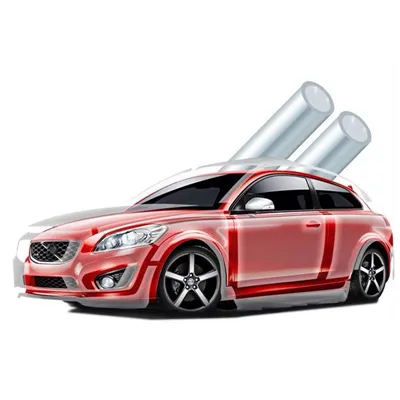
Does hydrophobic paint protection film require a special primer before installation?
As a supplier of hydrophobic paint protection film, I often encounter questions from customers regarding the installation process, and one of the most common inquiries is whether a special primer is necessary before installing the hydrophobic paint protection film. In this blog post, I will delve into this topic, exploring the factors that influence the need for a special primer and providing insights based on scientific knowledge and practical experience.
Understanding Hydrophobic Paint Protection Film
Hydrophobic paint protection film is a remarkable product designed to safeguard a vehicle's paintwork from various environmental hazards, such as scratches, stone chips, UV rays, and chemical contaminants. The hydrophobic property of the film repels water, dirt, and other substances, making it easier to clean and maintain the vehicle's appearance. This type of film is typically made of a high - performance polymer material that offers excellent durability and flexibility.
The Role of a Primer in Film Installation
A primer is a preparatory coating applied to the surface before the installation of the paint protection film. Its primary functions include enhancing adhesion between the film and the surface, filling in minor imperfections, and providing a smooth and even base for the film. A good primer can improve the overall performance and longevity of the paint protection film.
Factors Influencing the Need for a Special Primer
Surface Condition
The condition of the vehicle's paint surface is a crucial factor in determining whether a special primer is required. If the paint surface is in good condition, free of scratches, oxidation, and other defects, a standard primer may be sufficient. However, if the surface has minor scratches, swirl marks, or unevenness, a special primer with filling and leveling properties may be necessary to ensure a seamless installation.
Film Type and Quality
Different hydrophobic paint protection films have varying adhesion properties. High - quality films are often designed to adhere well to clean and properly prepared surfaces without the need for a special primer. However, some lower - quality films may require a primer to enhance adhesion and prevent peeling or bubbling.

Environmental Conditions
The environmental conditions during installation can also affect the need for a primer. In humid or dusty environments, a special primer can help improve adhesion and prevent the ingress of moisture or contaminants between the film and the surface.
Scientific Evidence on Primer Use
Numerous studies have been conducted on the adhesion of paint protection films. According to research in the field of polymer science, a well - prepared surface with the appropriate primer can significantly improve the bond strength between the film and the paint. For example, a study published in the Journal of Adhesion Science and Technology found that using a primer with specific chemical properties can enhance the long - term adhesion of polymer films to painted surfaces.
Practical Experience from Our Customers
Based on our experience as a hydrophobic paint protection film supplier, we have found that in most cases, a high - quality hydrophobic paint protection film can be installed without a special primer on a clean and well - maintained paint surface. However, for customers who have older vehicles with paint issues or who live in harsh environmental conditions, using a special primer has proven to be beneficial.
For instance, some customers who live in areas with high levels of pollution or frequent exposure to saltwater have reported better results when using a primer before installing the hydrophobic paint protection film. The primer helps to create a more stable bond between the film and the paint, reducing the risk of the film peeling or delaminating over time.
Hydrophobic Film for Car
If you are interested in learning more about our Hydrophobic Film for Car, we offer a wide range of products that are designed to meet different needs and budgets. Our hydrophobic paint protection films are made from high - quality materials and are tested to ensure excellent performance and durability.
When to Use a Special Primer
- Older Vehicles: If the vehicle is several years old and the paint has started to show signs of wear, such as fading, oxidation, or minor scratches, a special primer can help to improve the adhesion of the film and provide a better finish.
- Harsh Environments: In areas with extreme weather conditions, high levels of pollution, or exposure to chemicals, a special primer can protect the paint surface and enhance the film's performance.
- Low - Quality Films: If you are using a lower - quality hydrophobic paint protection film, a primer may be necessary to ensure proper adhesion and prevent issues such as bubbling or peeling.
How to Choose the Right Primer
When choosing a primer for hydrophobic paint protection film installation, consider the following factors:
- Compatibility: Ensure that the primer is compatible with the paint protection film and the vehicle's paint.
- Adhesion Properties: Look for a primer with strong adhesion properties to ensure a long - lasting bond between the film and the surface.
- Filling and Leveling: If the paint surface has minor imperfections, choose a primer with filling and leveling capabilities.
Installation Process with a Primer
If you decide to use a primer, the installation process typically involves the following steps:
- Surface Preparation: Thoroughly clean the vehicle's paint surface to remove dirt, grease, and other contaminants. Use a high - quality automotive cleaner and a microfiber cloth.
- Primer Application: Apply the primer evenly to the paint surface using a spray gun or a brush. Follow the manufacturer's instructions regarding the drying time and application thickness.
- Film Installation: Once the primer is dry, carefully install the hydrophobic paint protection film according to the manufacturer's guidelines. Make sure to smooth out any air bubbles or wrinkles during the installation process.
Conclusion
In conclusion, whether a special primer is required before installing hydrophobic paint protection film depends on several factors, including the surface condition, film type, and environmental conditions. While a high - quality film can often be installed without a primer on a clean and well - maintained surface, using a primer can provide additional benefits, especially in challenging situations.
If you have any questions about our hydrophobic paint protection films or the installation process, we encourage you to contact us for more information. Our team of experts is ready to assist you in choosing the right product and providing guidance on installation. We look forward to working with you to protect your vehicle's paintwork and enhance its appearance.
References
- Journal of Adhesion Science and Technology, various issues related to polymer film adhesion studies.
- Automotive paint and film industry reports on surface preparation and installation best practices.